When we talk about reconciliation, we cannot skip past the uncomfortable truth of residential schools. These institutions weren’t just schools — they were part of a government-sanctioned system of forced assimilation that ran in Canada for over 100 years. The last residential school didn’t close until 1997. That’s not ancient history. That’s recent. That’s today’s reality for survivors and their children.
The impacts of this system weren’t accidental — they were by design.
The Justification: Dehumanization at the Root
Let’s begin with the words of Canada’s first Prime Minister, Sir John A. Macdonald. In 1883, he defended residential schools in the House of Commons by saying:
“When the school is on the reserve, the child is with his parents, who are savages… He is simply a savage who can read and write.”
This quote is painful, but it’s vital to confront. It reveals the deliberate mindset behind residential schools: to erase Indigenous culture and identity. The intent was assimilation, and the methods were violent.
What Really Happened Inside Those Walls
The stories are harrowing and real. Children as young as four or five were taken from their families, stripped of their names, language, and traditions. They had their braids cut, were put in uniforms, and forced to live in overcrowded dormitories.
Many were starved, beaten, sexually abused, and subjected to cruel punishments. Some were even experimented on. Many never made it home.
One survivor recounts how their newborn baby was taken from them and incinerated by a nun, after being raped by a priest while attending one of these so-called schools.
The uncovering of thousands of unmarked graves at former residential school sites across Canada is only beginning. Many children’s fates remain unknown. And tragically, we may never find them all — some were burned, buried in secrecy, or simply disappeared.
A Legacy of Trauma, Still Echoing Today
The trauma didn’t end when the schools closed. Children who survived were sent out into a society that had rejected them, or back to communities where they no longer felt they belonged. They were robbed of their identity, and many turned to the streets, addiction, or other coping mechanisms just to survive.
There were no resources for healing. No counseling. No support. What was created was a cycle — intergenerational trauma — that’s still being felt today.
From this trauma came the 60s Scoop, where Indigenous children were again removed from their families, this time placed in non-Indigenous foster homes, cut off from their culture and roots. Today, the majority of children in foster care are still Indigenous.
These systems never really ended. They just changed form.
Recommended Readings and Films
If you’re beginning this journey of understanding, here are a few powerful works to guide you:
- The Education of Augie Merasty: A first-hand memoir of abuse and survival in a residential school.
- Indian Horse: A dramatized account of a child’s time in residential school and his path through trauma, available as a book and film.
- We Were Children: A raw documentary sharing survivors’ stories.
- Half-Breed by Maria Campbell: A compelling insight into Métis history and marginalization.
- Call Me Indian by Fred Sasakamoose: A powerful memoir by the first Indigenous NHL player, and a survivor of residential schools.
What Can We Do Now?
This history can’t be ignored. It is our shared past — and its legacy is still hurting people today. But healing is possible. Change is possible. And it begins with understanding.
Here’s how you can be part of the solution:
1. Learn the truth
Read the reports. Watch the documentaries. Attend Indigenous-led workshops. Listen without defensiveness.
2. Talk About it
Bring these truths to your kitchen tables, classrooms, and boardrooms. The silence is part of the problem.
3. Support Indigenous Voices and Leadership
Donate to or collaborate with Indigenous-led organizations doing the work on the ground.
4. Support Healing for Families
Advocate for better access to mental health services, addiction support, parenting resources, and education in Indigenous communities.
5. Honour the TRC Calls to Action
These were written by survivors. They are a roadmap to a better future for all of us.
It Starts with You
Every Indigenous child lost was a thread in the sacred fabric of a family, a community, a nation. Some of those children were your classmates, your neighbours’ relatives, or the ancestors of tomorrow’s leaders.
Their lives mattered. Your willingness to learn, share, and act is part of the healing. Let’s walk this path together. Not just in memory, but in commitment to truth, justice, and a shared future built on respect.
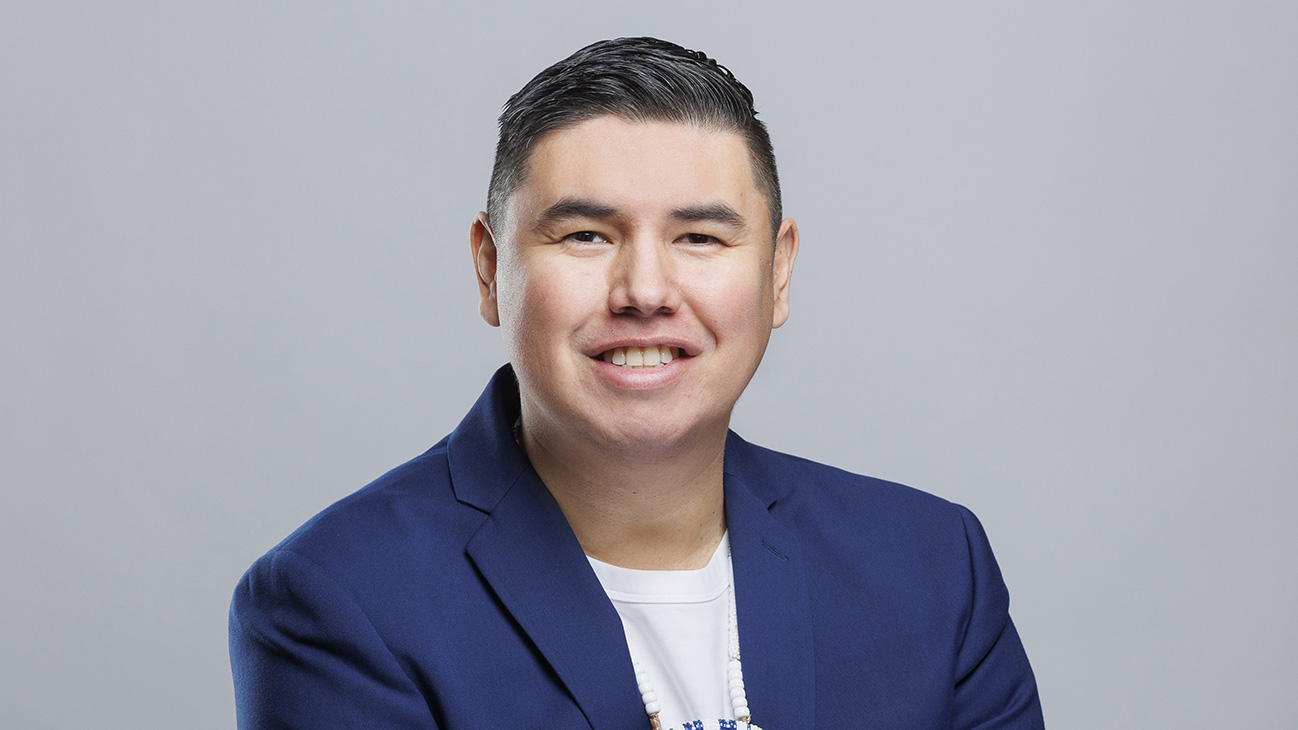
Kendal Netmaker is an award-winning entrepreneur, author, and motivational speaker. From Sweetgrass First Nation, he founded Neechie Gear — a lifestyle apparel brand that helps underprivileged youth participate in sports — and uses his journey from poverty to success to inspire resilient leadership worldwide.