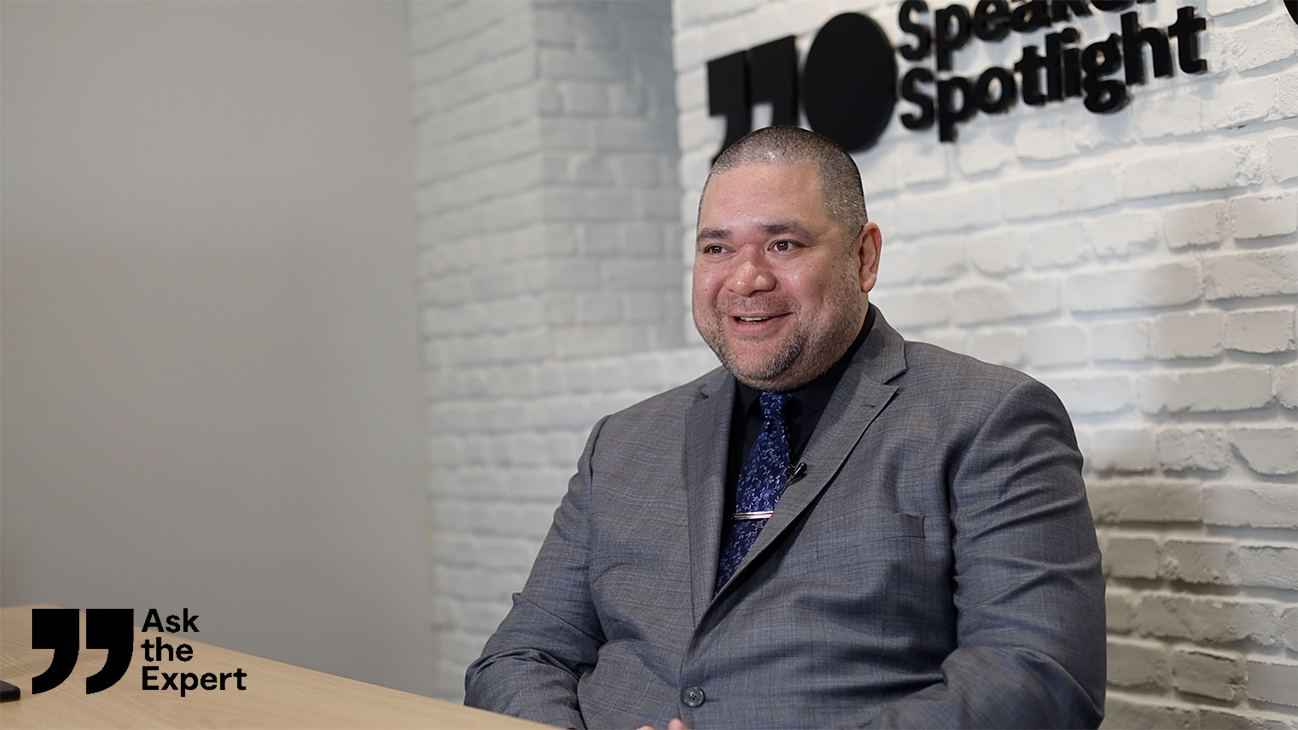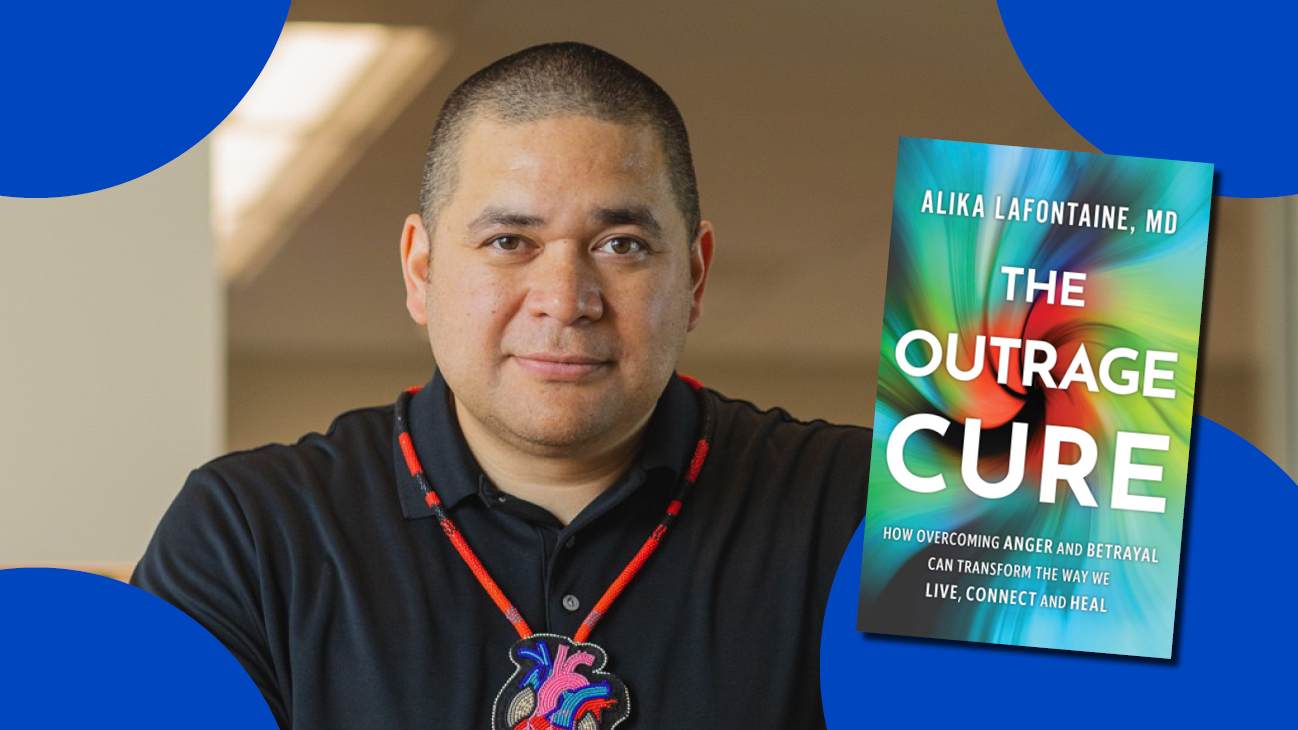
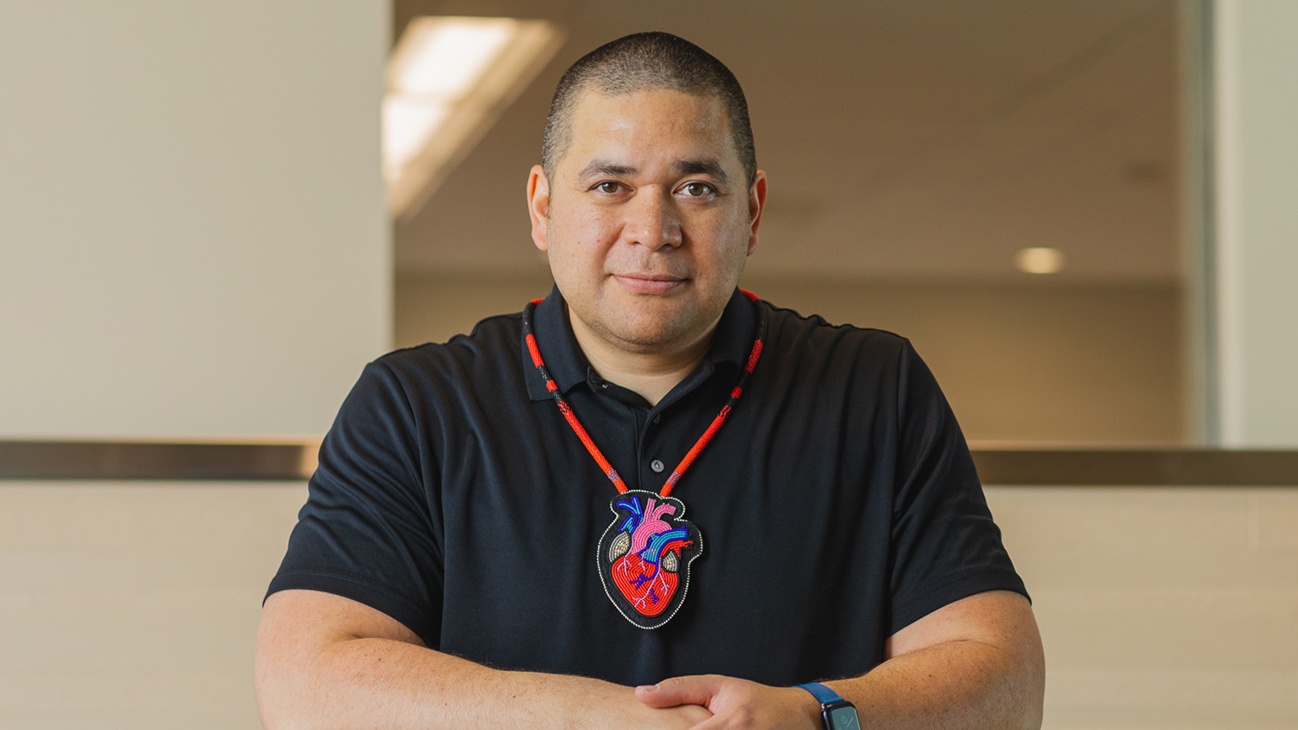
Named Maclean’s top Healthcare Innovator, Dr. Alika Lafontaine has been at the epicentre of healthcare system transformation for almost two decades. He is the first Indigenous physician and the youngest doctor to lead the Canadian Medical Association (CMA) in its 156-year history, and the first Indigenous physician to be listed on The Medical Post’s 50 Most Powerful Doctors. An experienced health leader known for driving major policy and system changes in collaboration with multilateral partners, Lafontaine speaks eloquently and passionately on the forces reshaping healthcare and society, with a focus on AI and health system transformation, leadership through crisis, reconciliation and Indigenous health, and the emotional and structural dynamics that rebuild trust and drive meaningful change.
Lafontaine’s leadership has spanned some of the most significant health transformation efforts in Canada. From 2013-2017, he co-led the Indigenous Health Alliance, one of the most ambitious Indigenous health system initiatives in Canadian history. Representing more than 150 First Nations, the Alliance successfully secured $68 million in federal funding and was recognized by the Public Policy Forum, where Lafontaine received the inaugural Emerging Indigenous Leader Award presented by Prime Minister Justin Trudeau.
Building on this work and his personal experiences within healthcare, Lafontaine went on to found Safespace Networks, an anonymous learning platform that enables patients and families to safely report racism and healthcare harm. Now active in British Columbia, Saskatchewan, and Ontario, Safespace Networks supports users navigating fragmented and confusing health reporting processes while helping health systems understand and respond to issues that often go unreported.
Lafontaine played a central role in securing the largest federal healthcare investment since 2004, advancing major reforms in physician credential recognition and strengthening national collaboration on health data governance and health human-resource planning. These reforms helped catalyze the broader movement toward streamlined licensure now emerging across several provinces and territories. Under his leadership, the CMA also adopted a long-term Indigenous health goal and initiated a national apology process addressing the maltreatment of Indigenous patients in Canada’s healthcare systems. He continues to support this reconciliation work as the CMA’s Indigenous Advisor in Residence.
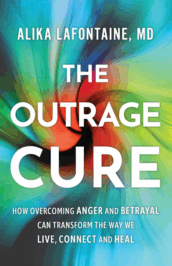
Grounded in mixed Indigenous ancestry — Métis, Oji-Cree, and Pacific Islander — Lafontaine completed his medical degree and anesthesia fellowship at the University of Saskatchewan before moving to northern Alberta, where he has spent most of his clinical career. He has been named one of Canada’s Top 40 Under 40 and is the youngest recipient of the Indspire Award. He is also the author of The Outrage Cure, which explores how cycles of anger and outrage erode trust and how individuals and systems can find their way back to connection and change.