As a performance coach, I take my goal setting seriously. I get after them at the start of each new year. I write them down. I prioritize them. I build systems. I read the books — Seven Habits, Measure What Matters, The 21-day Myth (which, by the way, is not actually a thing, but we’ll get to that). Yet some goals stick and some don’t. The ones that don’t — they don’t gently fade away. They fall off a cliff.
This article was inspired by a friend training for an Ironman while we were on vacation. Mike was up at dawn — running on sand, swimming open water, eating egg whites with the emotional enthusiasm of someone who chooses suffering. I stood beside him, holding a mocktail Pina Colada, feeling like a sloth in beach wear.
I found myself asking: “How is he so disciplined?” The question I should have been asking is: “What happens after the race?” because discipline isn’t the problem, sustainability is.
Why Habits Don’t Stick
A study published in the European Journal of Social Psychology found that habits don’t form in 21 days. They form anywhere between 18 and 254 days. Let’s take the average: 66 days.
Here’s the kicker: The biggest predictor of habit formation wasn’t motivation or willpower. It was recovery from disruption. People who missed days and didn’t quit were the ones whose habits stuck. In other words: It’s not falling off that kills habits. It’s staying off.
A CEO Who Figured this Out
Satya Nadella, CEO of Microsoft, didn’t transform the company by setting one massive, heroic goal. He shifted the culture from “know-it-alls” to “learn-it-alls”. A small language change with a massive behavioural shift. He didn’t demand perfection. He rewarded progress, reflection, and showing up again.
That mindset — progress over perfection— is what rebuilt one of the most powerful companies in the world.
The Problem with Big Goals
Big goals are seductive to high performers. They make us feel like we are making a difference, but big goals have a dark side:
- Miss one workout → “What’s the point?”
- Break the diet → “I’ve ruined everything.”
- Forgot to step out of the office and build relationships → “I’m just not that person.”
Suddenly, instead of adjusting, we pack up the tent, take our ball and go home, beating ourselves up on the way out. That’s not failure. That’s bad design.
The Secret to Achieving Goals : Micro-Actions
Here’s the reframe that actually works: Something is better than nothing, always.
- Can’t run? Walk for five minutes.
- Can’t journal? Write one sentence.
- Can’t meditate? Go for a nature walk.
- Can’t lift heavy? Show up to the gym and do calisthenics.
High performers have learned to wrap their heads around this simple concept, “The habit isn’t the desired outcome. The habit is showing up.”
Why this Matters for Leaders
Organizations do this, too:
- New strategy → full rollout → burnout → abandonment
- Culture initiative → big launch → quiet fade-out
- New Leader → bold statements about relationships → no daily behaviours
Leaders don’t fail because they lack vision. They fail because they underestimate the power of consistent small, repeatable actions. Sustainable excellence is boring, and that’s exactly why it works.
Three Takeaways You Can Use Tomorrow
- Temporarily Lower the Bar to Raise Consistency: If your goal feels heavy, it’s too big.
- Expect Disruption: Missing a day and resuming is part of success, not evidence against it.
- Find an Accountability Partner: Sometimes you need a hype person to remind you of your greatness. Other times you need them to kick you in the rear to get you moving when feel defeated.
Maybe you don’t need more discipline with your goals. Maybe you need more grace. Let go of being perfect in your goals. Let’s all get back on the horse quietly and without judgment.
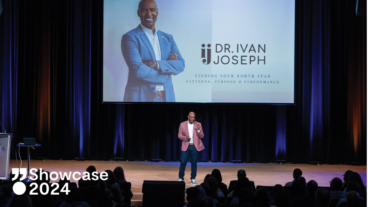
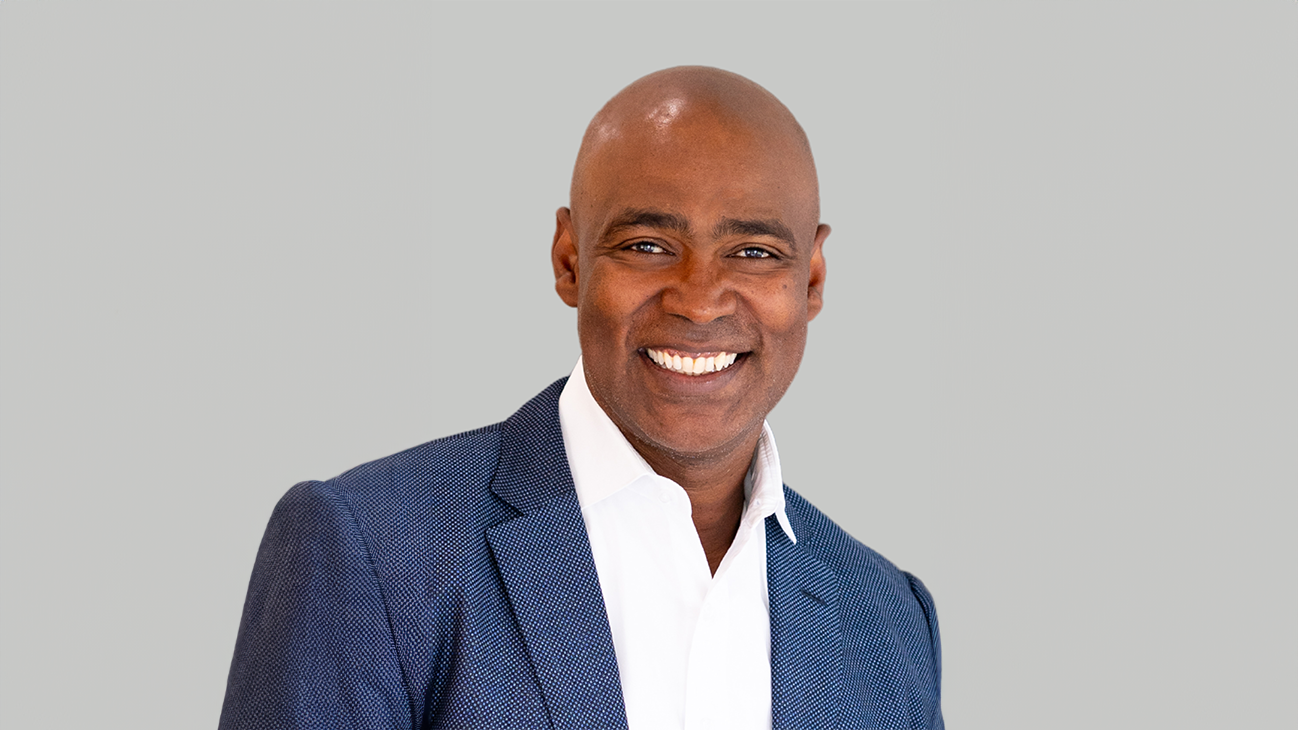
An award-winning coach, prominent educator, and accomplished leader, Dr. Ivan Joseph has spent his career leading cultural transformation and building cohesive teams. His research has focused on understanding how self-confidence drives performance and now, as an internationally renowned speaker, he shares this knowledge to help leaders cultivate inclusive, high-performing workplace cultures.
Dynamic and engaging, Ivan always leaves audiences with a memorable experience that adds value long after the presentation ends. Contact us to learn more.