
When it comes to mental health in the workplace, many organizations today are doing everything right on paper — they offer Employee Assistance Programs, they have policies in place, they host mental health awareness events, etc. Yet disability claims continue to climb, burnout runs rampant, and engagement scores remain flat.
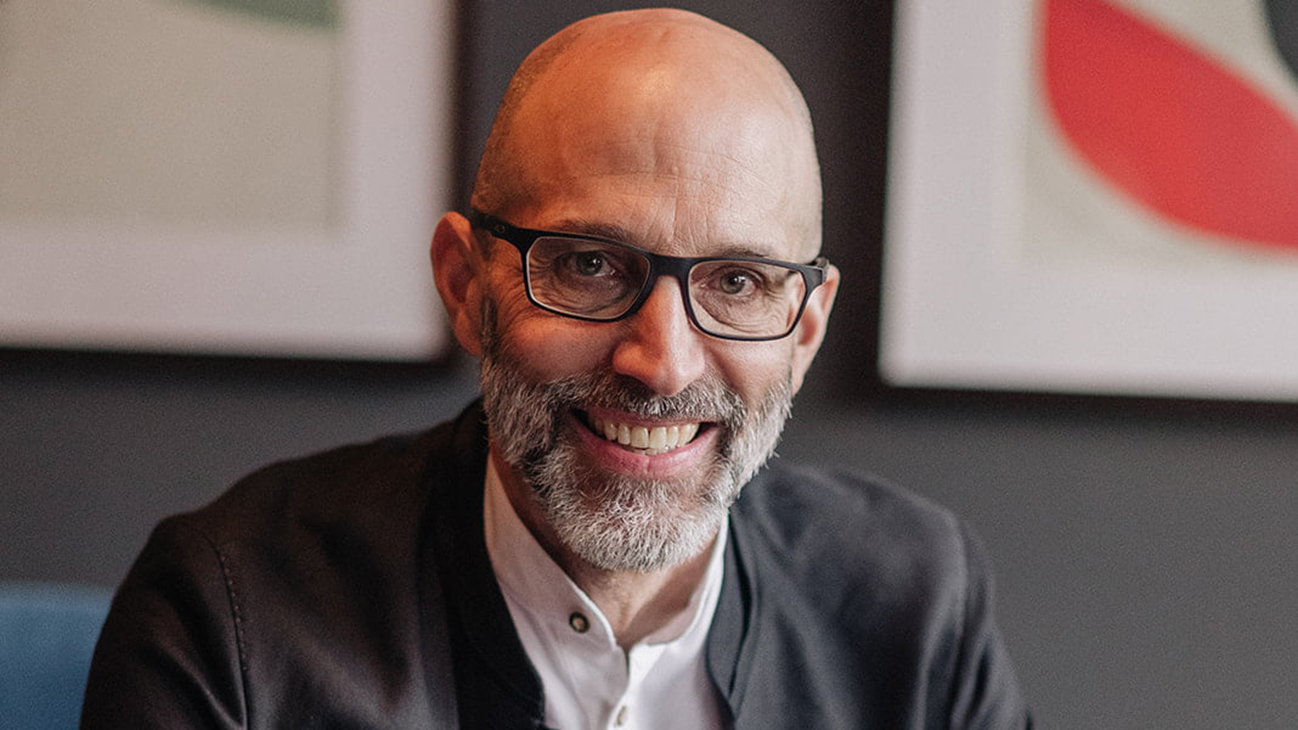
According to Stéphane Grenier, a decorated Lieutenant Colonel in the Canadian Armed Forces and the CEO of Mental Health Innovations (MHI), the problem isn’t what organizations are doing. It’s what they’re missing.
“If corporations are trying to fix the mental health workplace problem and outcomes aren’t changing… the problem is that the humanity of it hasn’t materialized,” Stéphane said.
The Real Work Begins with Leaders
With over 40 years of leadership experience spanning military conflict zones, humanitarian missions, and corporate transformation, Stéphane has witnessed leadership tested in its rawest forms. From peacekeeping operations in Rwanda and Afghanistan to rebuilding mental health culture across Canadian workplaces, he’s learned that effective mental health support doesn’t start with programs, it starts with leadership.
“If you’re worried about mental health, worry about leadership first,” Stéphane said. “When you address leadership, a lot falls into place.”
Mental health has become an event. But follow-through requires philosophy, and it has to be authentic. It has to come organically, be natural, and repetitive.
Humanity Transcends All Levels of Leadership
People often assume leadership strategies vary dramatically based on organizational level. But while a CEO’s span of control differs from a frontline manager’s, the fundamental principles remain the same, Stéphane said. The most critical is permission to be human.
“Managers and people leaders who are promoted to positions of authority can forget that it’s okay to be human,” Stéphane said. “They think if they show vulnerability or don’t have all the answers, employees will panic or lose confidence in them. Leaders at all levels need to focus on humility and vulnerability — not a pity party, but vulnerability in not having to be right all the time.”
This humanity must transcend organizational hierarchy. “A leader has to be able to sit on a log or on a crate in a warehouse and have a chit chat with a warehouse employee, then go home, put a tuxedo on, and go to a cocktail party — it’s the same human being.”
The Moment That Matters Most
Where leadership and mental health truly intersect is in those critical moments when an employee is struggling. A child gets kicked out of school. A husband is in a car accident. Someone needs time off, but the quarterly report is due.
“The good leader means it when they say: ‘How much time do you need? Take the time, go home. You matter more than our report and KPIs,'” Stéphane said.
While this may seem risky, it pays dividends that spreadsheets can’t capture. “When someone is going through hardship, if I mean it when I say, ‘do what you need, the company will be here when you’re ready,’ that person will recover quickly and be loyal to the company,” Stéphane said. “They’ll come back and produce five times more without even asking.”
When leaders prioritize productivity over their people, that’s when you see engagement and loyalty drop, he continued. “If the leader tells them they don’t matter, then the employee doesn’t care.”
Of course, this approach only works if employees trust their leaders enough to ask for help in the first place — trust being the key word.
Building Trust One Micro-Moment at a Time
Psychological safety can’t be manufactured through policies alone. The metaphor Stéphane uses is, “You can’t teach a person to swim when they’re drowning.”
Trust must be built proactively through what he calls “everyday micro-behaviours.” “Make eye contact with people, say hello, humble yourself. Ask ‘what are you doing today?’ and engage people in conversation,” Stéphane said. “Too often, those little things are forgotten, and that creates the conditions for a workplace that doesn’t trust — not because leaders are bad people, but because they don’t invest time in building relationships.”
“If you’re worried about mental health, worry about leadership first. When you address leadership, a lot falls into place.”
Rehumanizing the Workplace Through Peer Support
Beyond individual leadership behaviours, Stéphane champions a systemic approach: peer support programs. As the pioneer of peer support integration in the Canadian military and creator of the National Standards of Practice for Peer Support in Canada, he’s seen how this model transforms organizational culture.
“Instead of talking about the one in five employees struggling with mental health, ask the one in five to step up and help,” he said. “You’ve turned the culture from perceiving mental health as a liability to saying you value the one in five. You’re pulling them in, providing training, and giving them a role.”
This approach dismantles stigma in ways awareness campaigns never could. “Now you have employees who are disclosing mental health challenges. The stigma evaporates, and the organization has humanized itself.”
The Leadership Blueprint That Changes Everything
To Stéphane, leadership is an artform, not a skillset — a distinction that explains why mandated mental health initiatives often fall flat. Leaders are often told what to do, such as have more conversations, show vulnerability, check in with your team. But they’re rarely taught how to do it authentically.
“You can mandate leaders to leave their office and have a conversation with an employee,” Stéphane notes. “That’s the ‘what.’ But if the leader is unaware that their body language is cold, robotic, disengaged. What you end up with is a disingenuous relationship.”
Drawing from his military background, Stéphane distills effective leadership into three core principles:
1. Leaders Don’t Run
Not physically but emotionally. “It means you calibrate your emotions. You might be freaking out inside, but it’s about taking that pause, being self-aware that your behaviour will impact others.” Leaders set the tone. When they stay calm and present, their teams can too.
2. Leaders Eat Last
Always put your people first. It’s the military ethos popularized by Simon Sinek. When employees know their leader prioritizes their well-being over personal gain, trust follows.
3. Know Your People
Knowing your people means understanding what matters to them beyond their job title. Despite a self-admittedly terrible memory, Stéphane makes the effort. “My job is busy, but I have people to care about. Where is that in my job description? If I had a magic wand, that would appear in there.”
And perhaps most critically: learn to apologize. “Learn how to say I’m sorry. Demonstrate how to be vulnerable. By demonstrating that you are not infallible, you open the door for your people.” When leaders admit mistakes, they give their teams permission to be human too.
The Path Forward
Mental health in the workplace isn’t fixed with programs, policies, or awareness days. It’s transformed when leaders recognize that their daily behaviours — their humanity, humility, and willingness to put people before productivity — create the conditions where employees can thrive.
“This is not a one-and-done,” Stéphane added. “Mental health has become an event. But follow-through requires philosophy, and it has to be authentic. It has to come organically, be natural, and repetitive.”
For organizations genuinely committed to employee well-being, the path forward is clear: invest in developing leaders who lead with their humanity intact.
Sharpening Leadership: From Skillset to Artform
As a keynote speaker, Stéphane Grenier brings over 40 years of leadership experience to stages across North America, helping organizations transform their approach to leadership and mental health in the workplace. From CEO roundtables to company-wide keynotes, his insights challenge leaders to move beyond policies and programs and lead with humanity.
Ready to elevate leadership from skillset to artform? Contact us to learn more about Stéphane and how he helps organizations humanize their workplaces to see measurable improvements in engagement, retention, and mental health outcomes.