Fear of failure is one of the most universal — and most paralyzing — forces in human performance. Whether you’re an athlete heading into the playoffs or a business leader navigating a high-stakes decision, the fear of getting it wrong can stop you before you even begin. So how do you build the confidence to push through, and what do you do when you inevitably make mistakes?
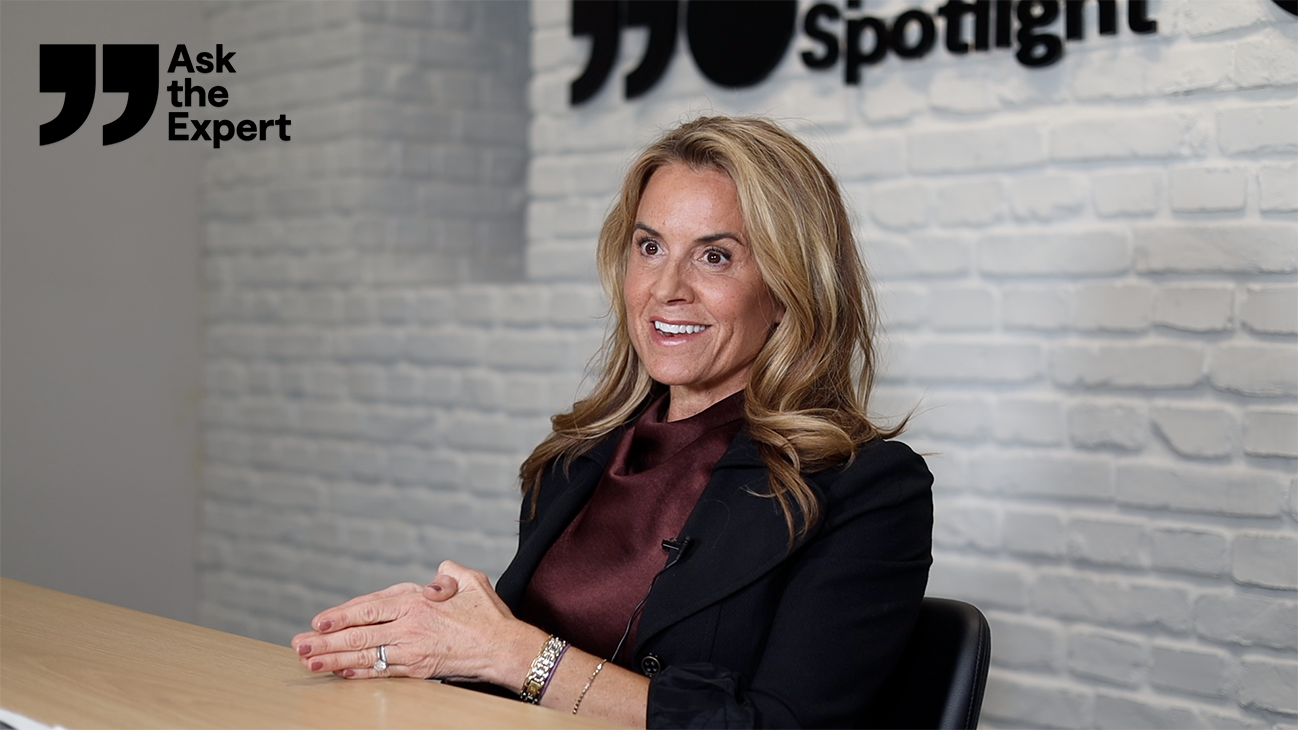
As part of our ongoing Ask the Expert series, we asked Dr. Kimberley Amirault-Ryan — a leading performance consultant who has coached and trained some of the world’s top athletes and teams, including Olympians and the New York Rangers, New York Knicks, Columbus Blue Jackets, and Edmonton Oilers — what stops people from performing at their peak, and how do you bounce back from mistakes?
Here’s what she had to say.
What stops people from performing at their peak — and what do the best in the world do differently?

The number one thing that prevents people from performing at their peak is a fear of failing. Some will freeze before they even get started because they’re so distracted by outside judgment and outcomes they have no control over.
To counteract that, you have to bring them back to what they do have direct control over. I’ve seen this firsthand with the best coaches. Heading into the playoffs, athletes will think they need to do magic — but the greatest coaches and leaders will ground them first. Let’s take a breath here. You don’t need miracles. You’re here for a reason, because of everything you’ve done that’s gotten you here. Then they look forward: what is the one thing we need to do so you can go out there and just play your game?
You Don’t Have to Feel 100% to Give 100%
Look at the World Cup — players are physically and mentally exhausted. You may think you need to feel 100% to be your 100%, but that’s not true. You can be overstressed and underrecovered and still put yourself in your Ideal Performance State. You can be at 80% and still give 100%. It’s about learning how to get yourself there and then recharging your batteries so you can be ready for when it really counts.
The Gift of Honest Conversations
Glen Sather, president and GM of the New York Rangers, is exceptional at catching people at their best and throwing them into something extremely uncomfortable to propel them forward. One time he sat in on a player’s meeting I was running with the Knicks, and it went really well. Afterwards, Glen came over and said, “Kimberley, you can talk to anyone about anything.” I told him, “We all have very similar vulnerabilities and insecurities — these guys just happen to have a lot more zeros in their bank account than I do.”
He laughed, then said they’d been having problems lately. I was in New York for five years, during which we had eight coaching changes and two general manager changes. They needed help having the tough conversations and because Glen believed I could handle those conversations, he made me part of the interview process. On day two of a candidate’s five-day interview, I’d take them to a restaurant in Westchester, New York and ask them about the darkest moments in their lives — and how they’d handle it when the world’s media found out.
I hated it. These were people who had achieved so much, and here I was asking about their hardest moments. But I understood Glen’s reasoning: if they couldn’t handle that conversation in a caring, confidential, solution-focused environment, how would they handle it on the world’s stage?
The gift of time showed me that it was the people who were honest about the areas they struggled with who found success in the long term.
Confidence and Dealing with Mistakes
After confronting the fear of failure, the number one thing people ask me about is confidence and how to deal with making mistakes. When I was just starting out — the only female in pro sport, with a lot of eyes on me — I felt very judged. I remember coming into Knicks practice one day after something had aired on TV. One of the players came over and said, “You’re in a big fishbowl here, hey?” When I admitted I was feeling the pressure, he offered this: “Remember, if you pay too much attention to people sitting in the stands, pretty soon you’ll be sitting beside them.”
It reminded me that I can’t control what other people are thinking and doing — but I do have direct control over my own thoughts, my own habits, and my own focus.
Your Ideal Performance State
That’s really the core of what I help other people with: learning how to be at your best. In sport, we call it your Ideal Performance State. Think of it like a scale of zero to ten — zero is having a nap, ten is so jacked up you’re out of control. Most people perform best around a seven or eight, where you’re aware of everything but distracted by nothing.
The key is learning how to put yourself there when you need to — before meetings, presentations, or important moments with your family. Start by paying attention to your self-talk. What are you thinking? What are you saying to yourself? How are you feeling when you’re at your best? Then compare that to when you’re at your worst — when you’re focused on judgment, outside opinions, and consequences. When you compare the two, you realize that at your best, challenges feel like challenges, not threats.
We call it the champion mindset. Champions behave like champions before they’re champions.
Your Refocus Plan
To adopt that mindset, you need to learn how to put yourself in your Ideal Performance State so you can handle the mistakes that are going to happen along the way — because they will. And when they do, you need a refocus plan.
That means calming yourself down from the physiological response, then mentally rewinding the situation and replaying it the way you wished you had responded. Say you wake up at 3:00 in the morning, angry at yourself about something from the day before. Replay it in your mind like you’re watching it on a video screen, rewind it, and replay it again with you responding the way you wanted to — seeing yourself being successful, imagining all the distractions but still coming through. Visualization works. Do this again and again until the next time you’re in that situation, you respond the way you want to.
Then refocus on the only moment you have direct control over: right now. It’s a process of putting yourself in your Ideal Performance State, expecting the challenges, and practicing how you want to show up — even before you reach that championship level.
Book Dr. Kimberley Amirault-Ryan to Speak at Your Event
Recognized on the Globe and Mail’s Top Power 50 and WXN’s Top 100 Most Powerful Women, Dr. Kimberley Amirault-Ryan has spent over two decades helping Fortune 500 companies — including Walmart, Visa, and Johnson & Johnson — lead under pressure and achieve sustained high performance.
Contact us today to learn more and to bring her to your next event.