We have been sold a version of resilience that says: perform excellence, be exceptional, and never, ever break. But for most of us, the break is not a failure to avoid — it’s a certainty on the horizon, and the real question is what we do when it arrives.
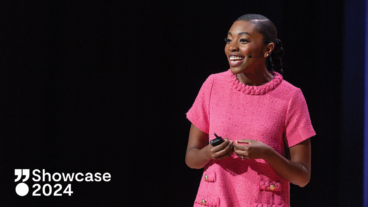
A resident psychiatrist, Dr. Chika Stacy Oriuwa is redefining what it means to be resilient, arguing that “breaking” is a profoundly human part of the cycle of growth and recovery. The break, she says, is not only about breaking down. It is also about breaking free: being radically authentic, surrendering the illusion of control, and choosing truth over the performance of certainty.
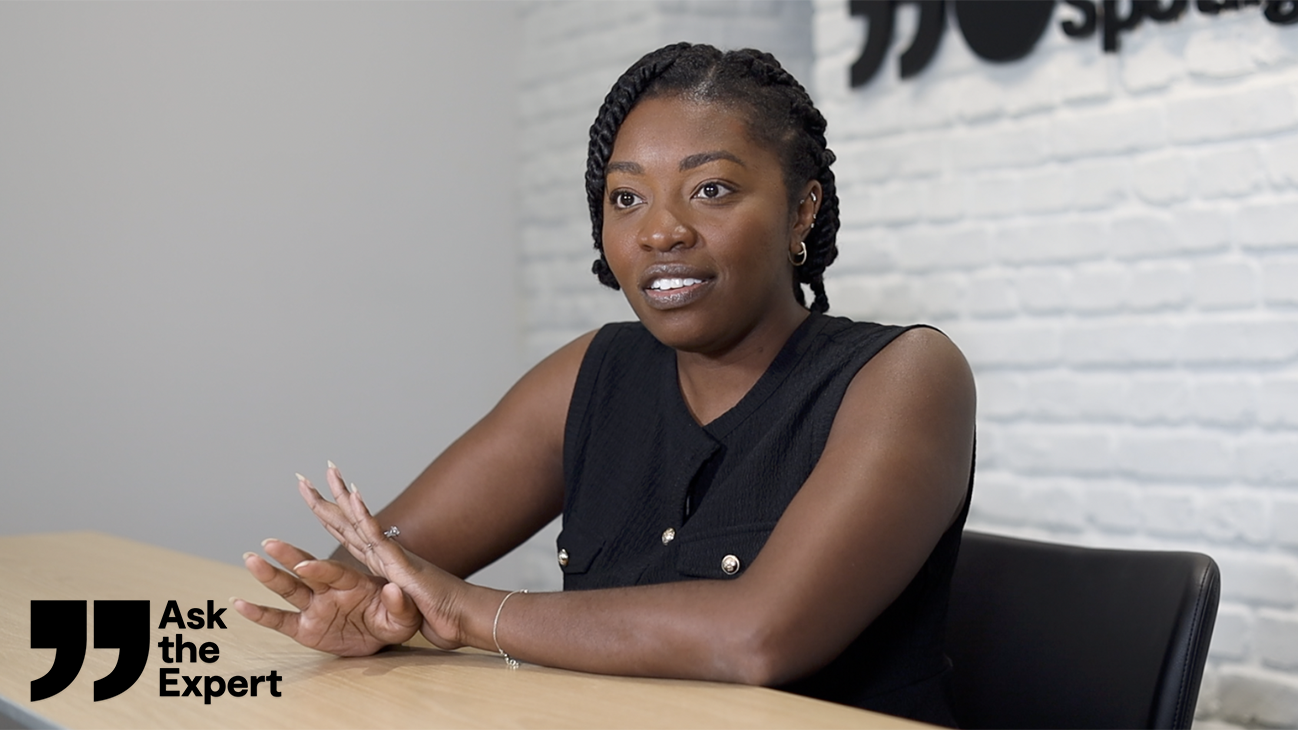
With resilience consistently being one of most requested topics, especially amid ongoing uncertainty, we recently asked Chika, as part of our Ask the Expert series, why is “breaking” a misunderstood step to building true resilience? Here’s what she had to say.
Answers have been edited for length and clarity.
Reframing the Break: What We Get Wrong About Falling Apart
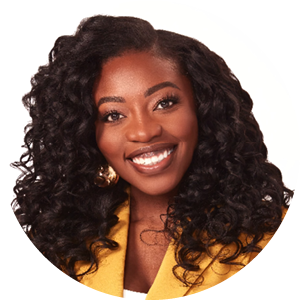
When I think of surrendering, I don’t think of it as waving the white flag of defeat. I actually think of it as the first intelligent thing we can do to save ourselves, our organizations, or even our family. And it can be as simple as identifying what the break is. Labeling the emotion or experience that we’re having by either writing it down, sharing it with a friend, or just expressing it. Saying, “I am uncertain” or “I don’t know” or “This thing is making me feel uneasy.”
This is a strategy or technique known as affect labeling, and what it does is actually calm some of the chaos we are experiencing neurologically. That helps loosen the grip of anxiety in our mind and some of the neurological hang-ups that we might have, allowing us to think a little bit more clearly and more intentionally. It gives our brain the room it needs to breathe, take a pause, and actually start to recover.
Your Outcome Is Not Your Worth
In my keynote, “Surrender to the Break”, I talk extensively about how important it is for us to be able to break, whether that’s breaking free from tradition or breaking into our most authentic selves. I then talk about how to recover after that break, and part of that recovery is being able to hold two truths at once. That’s something known as dialectical thinking: being able to understand that a certain outcome might not be directly attributed or tied to your self-worth.
For example, you might have a task at hand that doesn’t unfold the way you want it to. Within that scenario, there might be a perceived failure. Can you go through this experience, recognize that something may not have materialized the way you wanted, and say, “Okay, this might have failed, without myself actually being a failure”? That’s being able to hold two opposing truths at once.
This factors in especially when we’re thinking about uncertainty, because we can still be deeply uncertain about the outcome of a situation while also holding this truth or understanding that “I am brave enough to persist through this uncertainty,” or “I know that irrespective of what might happen, I have the resolve, I have the capacity to withstand it.” Being able to disentangle the outcome from your self-perception is a cornerstone of true resilience.
More from Dr. Chika Stacy Oriuwa
An accomplished physician, nationally ranked spoken word poet, and thought leader, Chika brings a rare blend of clinical insight and personal narrative to the stage. She pulls from her diverse experiences — across sectors, stages, and disciplines — to share meaningful and actionable insights on authentic leadership, unlocking innovation, and wellness.
Why is humility an underrated leadership tool?
What steps can an organization take to cultivate an innovative culture?
Hire Dr. Chika Stacy Oriuwa to Speak at Your Event
The bestselling author of Unlike the Rest, Dr. Chika Stacy Oriuwa’s multi-faceted career is a testament to her insatiable curiosity about the human experience and the profound connections that define it. She is currently a resident doctor in psychiatry at the University of Toronto, where she earned her medical degree, and holds a master’s degree in health systems leadership and innovation — a combination that has made her a sought-after expert in the science and practice of leadership, innovation, and performance.
Named one of TIME magazine’s “2021 Next Generation Leaders” and one of Maclean’s Power 50, Chika translates the neuroscience of resilience and innovation into tangible insights that help audiences unlock their true potential. She infuses her keynotes with the rhythm, emotion, and precision of poetry, along with the levity of parenthood, transforming critical and timely discourse into an artful, relatable narrative that leaves a lasting impression.
Contact us to learn more about Chika and how to book her for your next event.