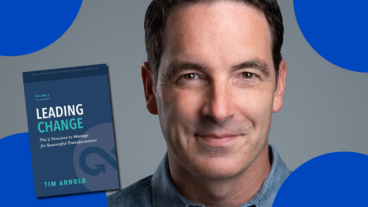
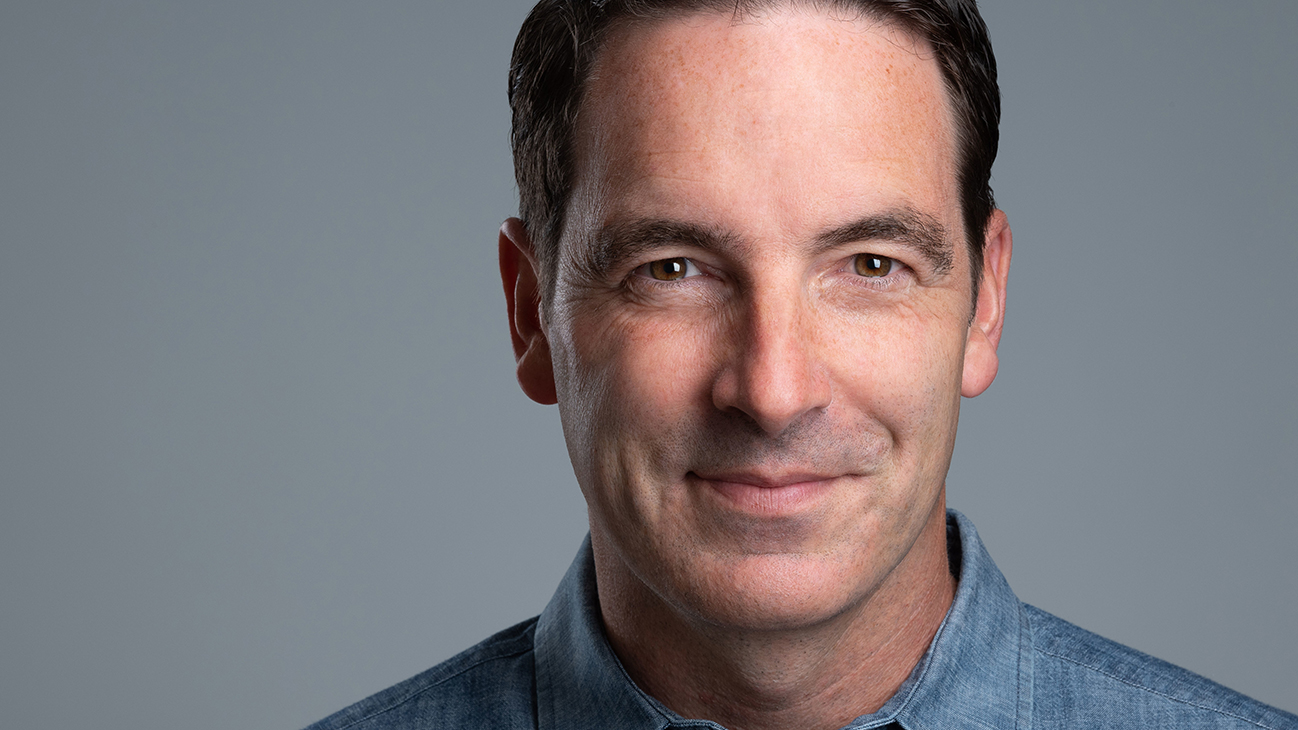
Trust is quietly becoming the defining leadership issue of this moment. In its 2026 report, the Edelman Trust Barometer, which has tracked global trust for more than 25 years, reported that distrust has become people’s default instinct. But trust hasn’t vanished, it has relocated, says Tim Arnold, a leadership development and teambuilding expert.
While trust in institutions has dropped sharply over the past five years, trust in personal circles, including coworkers and one’s own direct leader, has grown, he says. That’s good news for leaders, but today’s hybrid and remote workplaces are working against them. The everyday proximity that once built relationships, and trust along with it, has largely disappeared. Leaders now have to be far more intentional about earning trust than they did when simply being in the room did much of that work for them.
That’s the challenge Tim has spent his career helping leaders solve. For over two decades, he has helped leaders navigate complexity, build resilience, and deliver results, with clients including the United Nations, World Vision, UPS, Allstate Insurance, and Stanford Medicine. Through that work, he has identified four questions that determine whether a leader is trusted — and one tension that determines whether they stay that way.
What is Trust?
Trust, at its core, Tim says, is a confident relationship with the unknown. People trust the sun will rise, water will run when they turn on the tap, an alarm will go off in the morning — mostly without thinking about it, because it’s already been proven. The same is true at work: people trust, or don’t, that a colleague will deliver on a promise, that a leader will follow through, that a team has their back when it counts.
The Four Questions that Determine Trust
So what determines whether that confidence is there? Through both research and years of working directly with leaders, Tim has found it comes down to four questions people are subconsciously asking about anyone they work with:
1. Are you capable?
Do you have the skills and judgment to do the job well? Tim draws on Jim Collins’ definition of leadership: getting people to want to do what needs to be done. With that as the lens, capability, he says, means people can trust you to focus them on the right things, equip and motivate them to do the work well, and make decisions with their jobs and their well-being genuinely in mind.
2. Are you reliable?
Do you follow through on what you say you’ll do? Two things quietly erode reliability, Tim says. One is chasing the shiny new object: getting excited about what’s new at the neglect of what you’re already known for and responsible to maintain and prioritize. The other is emotional inconsistency: falling in and out of love with people quickly, i.e., supporting someone until they make one bad decision or ignoring someone until they finally do something right. Reliability gives people something simple — they know what’s expected, what’s coming, and how it ends.
3. Are you honest?
Do your words and actions consistently line up? Honesty is the consistency of story, Tim says. It’s how you talk about a person or situation to their face and how you talk about it when they’re not in the room. It’s naming what you can’t share instead of faking transparency. Leadership often requires confidentiality, and the honest move is saying so plainly rather than pretending there’s nothing more to it. It’s what Kim Scott calls radical candour — hard conversations and direct feedback, delivered from a place that genuinely cares about the person.
4. Do you care?
Do I matter to you, or am I just a means to an outcome? In practice, care starts by getting away from your desk, Tim says. MBWA, Management by Walking Around, is a concept that dates back to the early 1980s and is built on leaders spending unstructured time with people, not just checking on deadlines and KPIs, but learning their names, their backgrounds, and what matters to them outside of work. As Maya Angelou put it, “people will forget what you said, people will forget what you did, but people will never forget how you made them feel.”
But, Tim adds, care also doesn’t scale infinitely. If you have too many direct reports, it becomes genuinely difficult to know people well enough for them experience it as care.
Task vs. Relationship: The Leadership Tension
As leaders, our effectiveness rises and falls based on how consistently people can answer “yes” to all four. This is where a key leadership tension comes into play, Tim says.
When leaders over-focus on relationships but neglect tasks, people may trust their honesty and care but question their competence and reliability. But when leaders over-focus on tasks but neglect relationships, people may trust their capability and reliability but question their honesty, and care. High-trust leaders embrace both!
On the Task side:
- Build Capability by continuous learning, admitting gaps, and surrounding yourself with strong people
- Build Reliability by doing what you say, showing up prepared, and communicating early when plans change
On the Relationship side:
- Build Honesty by telling the truth even when it’s difficult, sharing context, and owning mistakes
- Build Care by listening well, knowing your people, and considering the human impact of decisions
Rebuilding Trust
Most of the time trust is invisible. It’s only noticed once it breaks. That’s when leaders will see dissatisfaction and worry rise, individually and across the team. People lose confidence in the direction they’re being led, which erodes engagement. Most costly of all, people stop taking risks or going above and beyond, Tim says.
Once trust is broken, Tim says the first step toward rebuilding it is owning it — not a generic apology, but naming the specific area where trust broke down, understanding your role in it, and asking what can be done to make it right. But a single apology, or a single “here’s how we’ll fix this,” isn’t enough, he adds. Rebuilding trust takes ongoing attention — real check-ins, often in one-on-ones, revisiting how things are going and whether more work remains. It isn’t something to raise once and never mention again.
Time shared three behaviours leaders can start doing now to either repair or enhance trust within their organizations.
- Sharpen task focus: Are people clear on what matters, and equipped to do it well?
- Sharpen relationship focus: Is there real investment in people as people, not just as contributors to outcomes?
- Get curious about blind spots: Don’t assume the task-relationship tension is being managed well by default; seek out people who will challenge you and tell you the truth even when it’s hard to hear.
The good news? Trust can be built faster than you think, Tim says. The challenge? It can be lost even faster, and once broken, it’s hard to rebuild.
So here’s a simple reflection that Tim poses to his clients: Which of the four questions would your team give a confident “yes” on right now? And which might need some attention in the season ahead? Because at the end of the day, trust isn’t built through intention. It’s built through consistent action.
Hire Tim Arnold to Speak at Your Event
Few people have spent more time helping leaders translate that idea into practice than Tim Arnold. With two decades of experience guiding organizations from Fortune 500 companies to global nonprofits, Tim delivers tactical, actionable keynotes that help audiences break through chronic issues and build the kind of trust that drives real results.
Contact us to learn more about Tim and what he can bring to your next event.