The way we live has gone digital. We work online, connect online, and increasingly turn to AI to help us think, decide, and create. It’s opened up enormous possibility — and introduced a new set of pressures on our attention, mental health, and sense of self.
With rising rates of burnout, anxiety, sleep disruption, and loneliness — alongside growing concerns about misinformation, digital addiction, and what constant connectivity is doing to our ability to focus and think clearly — we asked some of our experts to weigh in on how to stay well in a digital world.
From mindful downtime to building your digital life with intention to becoming conscious consumers of online information, here’s what they had to say.
Protect Your Cognitive Capital
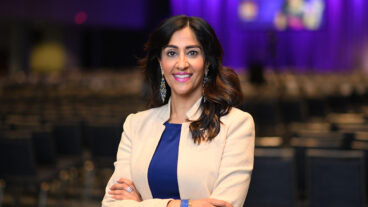
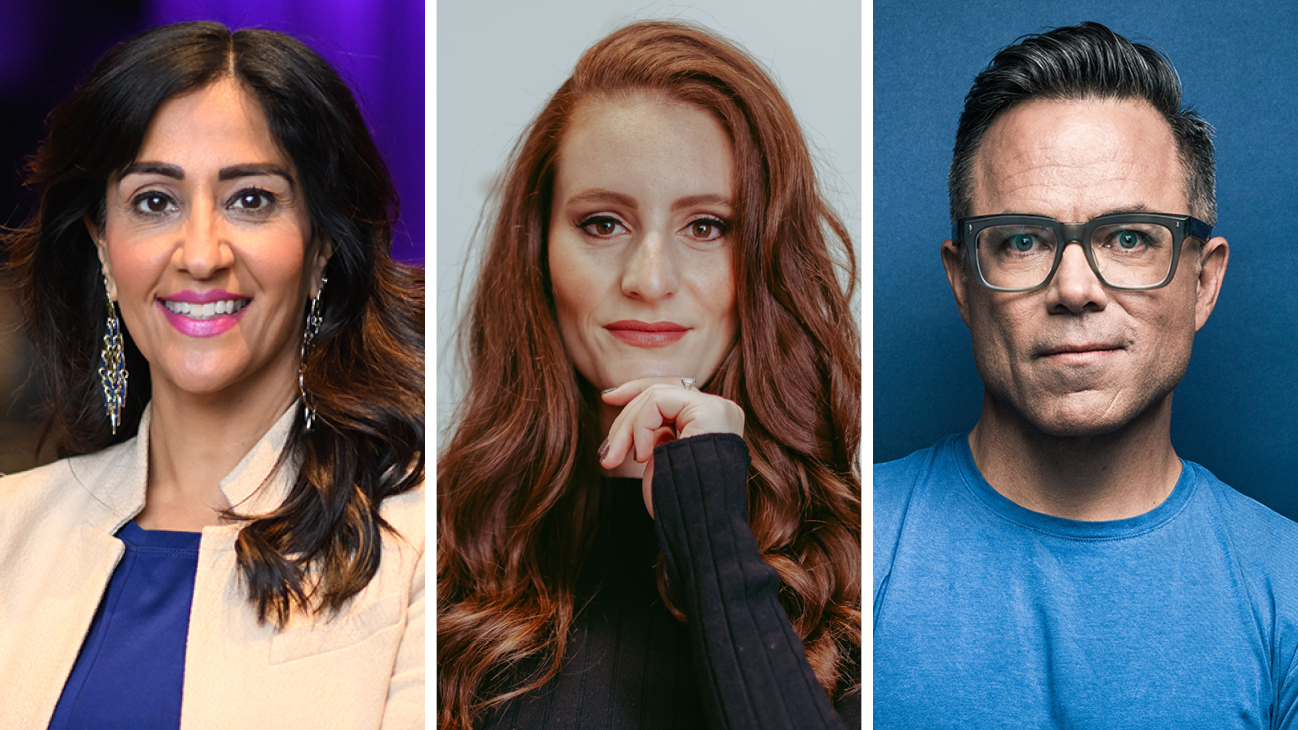
An award-winning medical doctor and the bestselling author of The Tech Solution: Creating Healthy Habits for a Digital World, Dr. Shimi Kang frames digital wellness as both an individual and organizational imperative.
When people are chronically overstimulated by digital demands, it doesn’t just affect their personal well-being — it erodes the very qualities that organizations need to innovate, lead, and grow. The costs, she says, show up not only in individual burnout, but in the long-term health of institutions themselves.
Here’s her prescription for staying well in a digital world:

The business case for digital wellness is urgent. Companies are quietly bleeding cognitive capital — the collective focus, creativity, and judgment of their people — through fragmented attention, notification overload, and always-on culture. Research links chronic digital overstimulation to measurable drops in deep thinking, decision quality, and emotional regulation. An additional result is a “digital health tax”: rising disability claims tied to burnout, anxiety, and stress-related conditions that quietly drain productivity, inflate benefits costs, and hollow out institutional knowledge. This isn’t a personnel problem — it’s a balance-sheet problem.
My one tip for staying well through the AI transformation: Protect your mindful downtime. As AI accelerates the pace of work, the competitive edge belongs to those who regularly unplug to reflect, synthesize, and create meaning — things no model can do for you. Schedule daily screen-free downtime blocks. Your cognition is the asset. Guard it.
Be Intentional When Building Your Digital Life
In an era of screen time trackers, digital detox retreats, and app blockers, our instinct is to often manage technology with more technology. Dr. Bailey Parnell, a globally renowned pioneer in digital well-being, suggests something more radical: stop and look inward first.
Her TEDx talk “Is Social Media Hurting Your Mental Health?” has over five million views — and the question it raised led her to found the Center for Digital Wellbeing, a charity dedicated to helping people thrive in the digital age. Bailey’s research — which has influenced public health conversations around the world — consistently points to the same conclusion: who you are before you pick up your phone shapes everything that happens after.
Bailey’s approach to digital well-being begins with looking in a mirror:

People assume I research technology, but I don’t think I do. I am of the humanities. I research humans. Whether studying social media, digitally mediated workplaces, or AI, I’ve consistently found the same thing: the dark side of humans is the dark side of the technology, and the light side of humans is the light side of the technology.
The most effective long-term strategy for digital well-being is actually counterintuitive: start offline. Look in the mirror. Get clear on your values, your confidence, your resilience, and your interests. Then design a digital life that intentionally serves that person, and not one that slowly erodes them, even subconsciously.
My research on social media showed that how people felt about themselves offline was the greatest predictor of whether they had a positive or negative digital experience. The same principle drives my current work on AI and leadership. Your offline self is the foundation. Build from there. And then I can give you all of the digital strategies in the world and trust you will use them well.
Be a Critical Consumer of Digital Information
The internet promised to democratize access to information. In many ways, it has. But it has also created something else: an overwhelming ecosystem of misinformation, wellness myths, and algorithmically amplified pseudoscience — with AI now accelerating the spread at a scale that was previously unimaginable.
Professor Timothy Caulfield, one of Canada’s most prominent health law and policy researchers and a leading expert in health misinformation, has spent decades studying what happens when bad health information spreads — and what people can do about it.
His advice starts with getting skeptical.
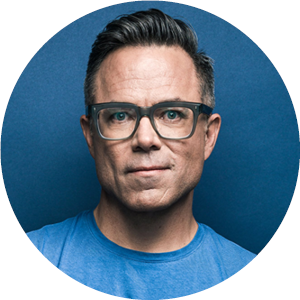
Approximately 90 percent of Canadians go online for healthy advice. What they are met with is a sea of lies and spin. Studies have consistently found that most of the content about fitness, cancer cures, and mental health is misleading or outright misinformation. And the rise of A.I. content is only going to make this worse. Indeed, our own research – recently published in BMJ Open – found that almost half of the responses by chatbots to questions on misinformation prone topics were problematic. Given that about 250 million ask ChatGPT a question about their health every week, this is a veery worrisome situation!
People need to be aware of the limits of online health information, look for trusted science-informed sources, and be skeptical of content that seeks to exploit a health condition
Take Back Control
The digital world isn’t going anywhere. How you inhabit it is the only thing you can control. Looking across these three perspectives from experts on digital health and wellness, the throughline is clear: it was never really about the tools. It’s about what you bring to them — your attention, your sense of self, your ability to think clearly and critically.
Guard your downtime. Know who you are offline. Question what you’re being told online. Do those three things, and you’re already ahead.
Bring These Experts to Your Organization
Whether you’re looking to spark a conversation about AI readiness, digital culture, mental health, or science literacy, each of these speakers combine rigorous research with powerful storytelling to deliver insights that stick.
Contact us to learn more and how to book Dr. Shimi Kang, Dr. Bailey Parnell, and Timothy Caulfield to speak at your next event.