

As we watch Team Canada chase gold at the Olympics, we’re witnessing moments of astounding athleticism — world records, personal bests, podium celebrations. What we don’t see is everything that went into those moments — the grind, the perseverance, the mental discipline, and relentless pressure.
Olympians are such powerful motivational keynote speakers because they go beyond stories of winning to share the mindset, habits, and resilience strategies that brought them to the highest level of their sport. These lessons translate directly to many of the challenges facing organizations today, including navigating continued uncertainty, building resilient teams, and sustaining healthy high performance.
We asked some of Canada’s most decorated Olympians, Paralympians, and the experts who trained them: When motivation is low and the pressure feels relentless, what practices or mindsets helped you keep going — and how can people apply those lessons right now? Here’s what they said.
Break Down the Big Picture into Small, Daily Steps

Dr. Hayley Wickenheiser
Four-time Olympic Gold Medalist | Member of the Hockey Hall of Fame
“Just get in the car!” That is often the first thing I would say to myself on days when my motivation was low and the pressure so high in those Olympic leadups. Get in the car. Drive to rink. Change. Move. Before you know it, you feel better.
It is never the big things that lead to great things, it’s always the small things repeated consistently. It’s what we do on those days when we don’t feel like it that defines us.
On those tough days, I would bargain with myself — “one more rep than you can rest”. Live in micro tasks vs. the overwhelming thought of the day, month, or year. Chunk it down. Reframe pressure as a privilege. Stop internal catastrophizing. Control what you can. Stick to the plan.
When motivation is low and pressure is high, it’s being able to fall back to the day-to-day habits and preparation that can help us keep going.
Considered one of the best female hockey players of all time, Dr. Hayley Wickenheiser has won seven world championships, made six Olympic appearances, and won five Olympic medals — four of them Gold. Now a medical doctor and NHL executive, Hayley inspires audiences to give their best in everything they do.
Raise Your Daily Standard Instead of Chasing Motivation

Chris Pronger
Member of the Hockey Hall of Fame | Stanley Cup Champion
The Olympic Games taught me this: motivation is unreliable. Standards are not.
Across four Olympic Games, with the pressure of representing Canada and an entire nation watching, what carried me wasn’t emotion, it was preparation and discipline. When exhaustion set in and the stakes felt overwhelming, I narrowed my focus: win the shift, win the period, just execute at the highest level.
I relied on habits, recovery, preparation, and honest self-assessment not hype. Pressure became a privilege.
For anyone facing burnout, uncertainty, or relentless expectations: shrink the moment. Control what you can. Raise your daily standard instead of chasing motivation.
Perseverance isn’t loud. It’s consistent. The habits you build in the quiet will carry you when the pressure is at its highest.
Chris Pronger is a Stanley Cup Champion, two-time Olympic Gold Medalist, and one of the NHL’s top 100 players of all time. As a member of the elite Triple Gold Club, he shows audiences how to think, train, and compete like champions by turning pressure into performance, setbacks into fuel, and talent into lasting success.
Use Connection as Your Anchor

Clara Hughes
Six-Time Olympic Medalist | Mental Health Advocate
Resilience for me is not simply growing stronger and moving forward; it is about growing bigger around the very things that stump you in the first place. It’s about diving into those intimate, vulnerable places inside oneself and finding the root of the struggle. Only when you get to the source of pain is growth possible.
This is never done alone. We need connection more than ever. Every single one of us has the capacity to heal, grow, and find that flame of inspiration inside. We grow when we explore our pain, and this growth heals the wounds that hold us back, eventually growing so big that we can lean on this capacity even when challenges arise.
We all have the opportunity to help someone who is struggling. To hold the torch for another until they can find their own light to guide their journey once again.
Connection fuels Clara Hughes. The only athlete in Olympic history to win multiple medals in both summer and winter Games, she candidly shares her experience living with depression to inspire audiences to face their fears, find their voice, and become the champions they’re meant to be.
Stop Waiting and Start Moving

Marnie McBean, O.C.
Three-Time Olympic Champion | High Performance Specialist | Ambition Mentor
I once wrote to Team Canada that motivation is like a puppy — it won’t always come when you call, and it won’t always stay. Too often people assume motivation comes easily to Olympic athletes. It doesn’t. On many days, just getting off the couch is a struggle.
I try to remember that motivation doesn’t need to come from the same place every day. Sometimes it’s internal: I want to be the best, I want to beat the people around me, I don’t want to be beaten. Three very different days.
Other days it’s external — the effort and talent of people around me pull me along. And some days I’m not motivated at all, but I don’t want anyone thinking I’m not pulling my weight. If I need my ego to give me a kick, I’ll take it.
More and more, when I talk with people about fear and doubt, we come to the same conclusion: the pressure is highest when we’re waiting to start. Balancing the volume between negative and positive voices becomes much easier when we’re busy doing the thing we’ve trained to do, rather than standing still and waiting.
So, without being patronizing: the easiest way to finish is to start. Whatever helps you get going — use it. Once you’re moving and focused on doing, the pressure shifts in your favour.
Marnie McBean’s Olympic journey spans an impressive 10 games, where she donned various roles from athlete to media representative, from mentor to chef de mission. As a team and solo performer, Marnie cracked the formula for success, winning 12 World and Olympic medals. She shares her universal framework for success, revealing invaluable lessons on performance and teamwork.
Reconnect to Your Purpose
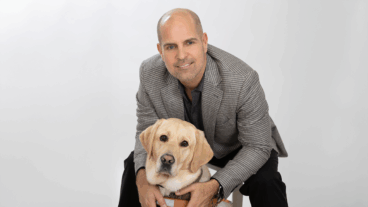
Mark Bentz
Building Resilience Through Adversity | CEO | Paralympic Gold Medalist
When motivation is low and the pressure feels relentless, what helped me keep going wasn’t pushing harder; it was reconnecting to why the effort mattered. As a Paralympic gold medalist who began losing my sight at a young age, I learned that resilience isn’t built through force or endurance alone; it’s built through meaning and purposeful action.
When people are exhausted and uncertain, it’s rarely because they’re incapable. It’s because they’ve lost connection to why their effort matters. When work is tied to purpose, energy returns, focus sharpens, and performance improves — even under pressure.
The most effective practice is to pause and clarify your why, reconnect to what gives the work meaning, and take deliberate action in the areas you can control. Purpose turns pressure into direction.
The antidote to stress, overwhelm, and burnout is purpose.
Mark Bentz transforms how people see adversity. After becoming legally blind at age nine, he developed the mindset to approach obstacles as opportunities — an outlook that propelled him to win two gold medals at the 1984 Winter Paralympics. He motivates audiences to embrace adversity, sharpen their focus, and take decisive action to achieve both personal and professional fulfillment.
Focus on What You Can Control

Sarah Wells
Olympian | Expert on Individual and Organizational Excellence
As an Olympian, I learned that peak performance is never built in perfect conditions, instead it’s built in moments of uncertainty, fatigue, and doubt. The same is true for organizations today. Motivation doesn’t come from waiting for things to feel easier, it comes from focusing on what you can control. Your effort, your mindset, and your daily habits.
Resilient teams stop chasing flawless outcomes and start committing to consistent actions. Leaders play a critical role by creating environments where people feel safe to struggle, encouraged to grow, and inspired to keep raising the bar.
In sport and in business, excellence isn’t about winning every day, it’s about showing up with belief and courage, even when the road feels unclear. When people measure success by progress instead of perfection, they stay focused, motivated, and ready for whatever comes next.
Sarah Wells remarkably qualified for the London 2012 Games after being sidelined for nine months with a stress fracture in her left femur. Renowned for her practical strategies, compelling storytelling, and high energy delivery, Sarah inspires audiences to embrace excellence without limits, empowering them to transform challenges into opportunities for growth.
Momentum Follows Action

Dr. Kimberley Amirault-Ryan
Performance Consultant to the NHL, NBA, and Olympians | Executive Coach
When motivation is low and pressure feels relentless, Olympians don’t wait to feel inspired — they return to fundamentals. They manage moments, not moods. They control what’s controllable, shrink the time horizon, and recommit to effort over outcome. On the toughest days, they focus on one clear action they can take right now — one conversation, one rep, one decision done well. Momentum follows action, not the other way around.
They also reframe pressure. Pressure isn’t a signal that something is wrong; it’s often proof that what you’re doing matters. Anchoring to purpose — why this work counts — builds resilience when fatigue and uncertainty rise.
Elite performers live shift by shift: next play, next decision. They know you don’t have to feel good to perform well. Confidence is fragile for everyone, they compete anyway. Even at 80%, they give 100% to the moment. The great ones recover quickly from mistakes, conserve energy for what matters most, and treat pressure as a challenge not a threat.
Momentum comes from doing the next right thing, consistently, even when motivation is quiet.
Dr. Kimberley Amirault-Ryan has coached and trained some of the world’s top athletes and teams. She reveals the universal traits shared by the most successful performers and how to replicate them within your own career, team, or organization.
Bring an Olympic Mindset to Your Next Event
Olympic athletes and performance coaches are some of the most in-demand motivational speakers. Their stories of resilience, discipline, and perseverance give audiences practical strategies they can apply immediately. They’ve worked and performed under the highest pressure in the world and know how to help others do the same.
Contact us to book an Olympic keynote speaker and bring that winning mindset to your next event.