Ageism is the last socially acceptable bias in the workplace. We don’t tolerate racism or sexism, but we still make assumptions about people based on when they were born. When we make jokes about “entitled Millennials” or write off “tech-challenged Boomers,” we’re reinforcing stereotypes that damage team performance.
I’m especially aware of this because I was born in 1979, right on the cusp between Gen X and Millennials. I remember listening to cassette tapes on my Sony Walkman. I remember driving around with paper maps that were impossible to refold. Now, I stream music in my car through Bluetooth until Google Maps interrupts to tell me where to turn.
I’ve experienced both worlds: analog and digital. Like my Boomer parents, I know life without modern tech. And like my Gen Z kids, I know what it’s like when you can’t imagine life without it. As I watch generational conflict in the workplace, I find myself empathizing with both sides.
I know my fellow Gen Xers and Elder Millennials get it. We understand why Boomers might feel frustrated with constant change, because we remember when things were more predictable. But we also understand why Millennials and Gen Z embrace new technology and prioritize work-life balance, because we’ve experienced the benefits of both. In many ways, we’re the living bridge between these generations.
The Four Generations at Work
With four generations working side by side — Baby Boomers (1946-1964), Gen X (1965-1980), Millennials (1981-1996), and Gen Z (1997-2012) — we have the chance to profit from a wealth of knowledge and perspectives. But instead of working together, we’re at war with each other. I hear from leaders across industries that intergenerational conflict is getting worse. Older workers dismiss younger colleagues as fragile and lazy. Younger colleagues write off older workers as stubborn and out of touch. We can’t afford this division.
The Myths That Are Killing Team Performance
Myth: Boomers can’t handle technology. Nonsense. Many transformative technologies were created by Boomers. I know 65-year-olds who embrace AI and 25-year-olds who struggle with Excel.
Myth: Millennials job-hop because they’re disloyal. Not true. Research shows young people have always changed jobs more frequently than older workers. That’s been consistent across generations for decades. It’s about career stage, not loyalty.
Myth: Gen Z is lazy and doesn’t want to work hard. Wrong. Research from Deloitte shows that 77% of Gen Z expect to work harder than previous generations. I see people in their 20s working around the clock to try to get noticed.
The truth is, we’re holding people to an unfair standard. Instead of judging younger workers against who we are today, what if we compared them to who we were at their age? That “entitled” 25-year-old might not look so different from the person you used to be.
How to Bridge the Divide
If you’re leading a multigenerational team, here are three strategies you can use right now:
1. Implement Reciprocal Mentoring Projects
Pair seasoned professionals with younger colleagues. Create opportunities for knowledge exchange in both directions. At a financial services company, a senior manager was paired with a young data analyst. The younger employee taught analytics for digital trends. The veteran shared secrets about client personalities and negotiations. The end result? A 15% increase in client satisfaction.
2. Create Shared Goals with Task Interdependence
Create teams with different ages working toward one shared goal. Have your veteran account manager team up with your newest hire to pitch a major client. The veteran brings relationship history and industry knowledge. The newcomer brings fresh data insights and maybe a different communication style. Success is measured on the joint outcome.
Shared goals plus mutual reliance equals respect for what everyone brings to the table.
3. Get Feedback on Your Feedback
Feedback is tricky, especially when different generations have different expectations. Older workers often learned in environments where tough feedback was blunt and direct. Younger workers may expect a more thoughtful delivery. We can’t achieve excellence without feedback. So how do we give feedback that works across generations?
Try this. Ask your team: “When has feedback been most helpful? What delivery style motivates you? What shuts you down?” Then create feedback norms that work for everyone. When people know what to expect and have helped shape the process, they understand that feedback might be uncomfortable but it’s for their growth and better results.
Values, Not Ages
Here’s what I believe: every generation wants the same things. Meaningful work, respect, and opportunities to grow. What looks like generational conflict is often just us comparing younger workers to who we are today instead of who we were at their age. When we start focusing on what people value instead of when they were born, those generational divides don’t seem so wide after all.
Time to Step Up
To my fellow Gen Xers and Elder Millennials: we have an opportunity. We can help bridge gaps when misunderstandings arise. If a colleague struggles with constant change, we get it because we remember when things moved slower. If someone values work-life boundaries, we understand that too because we’ve learned those benefits firsthand.
The truth is, your team doesn’t need generational harmony. It needs generational collaboration. And as the bridge generation, we’re perfectly positioned to build it. The question is — are we going to step up and do the work? We’ve lived in both worlds. Now let’s help everyone else see the value in all of them.
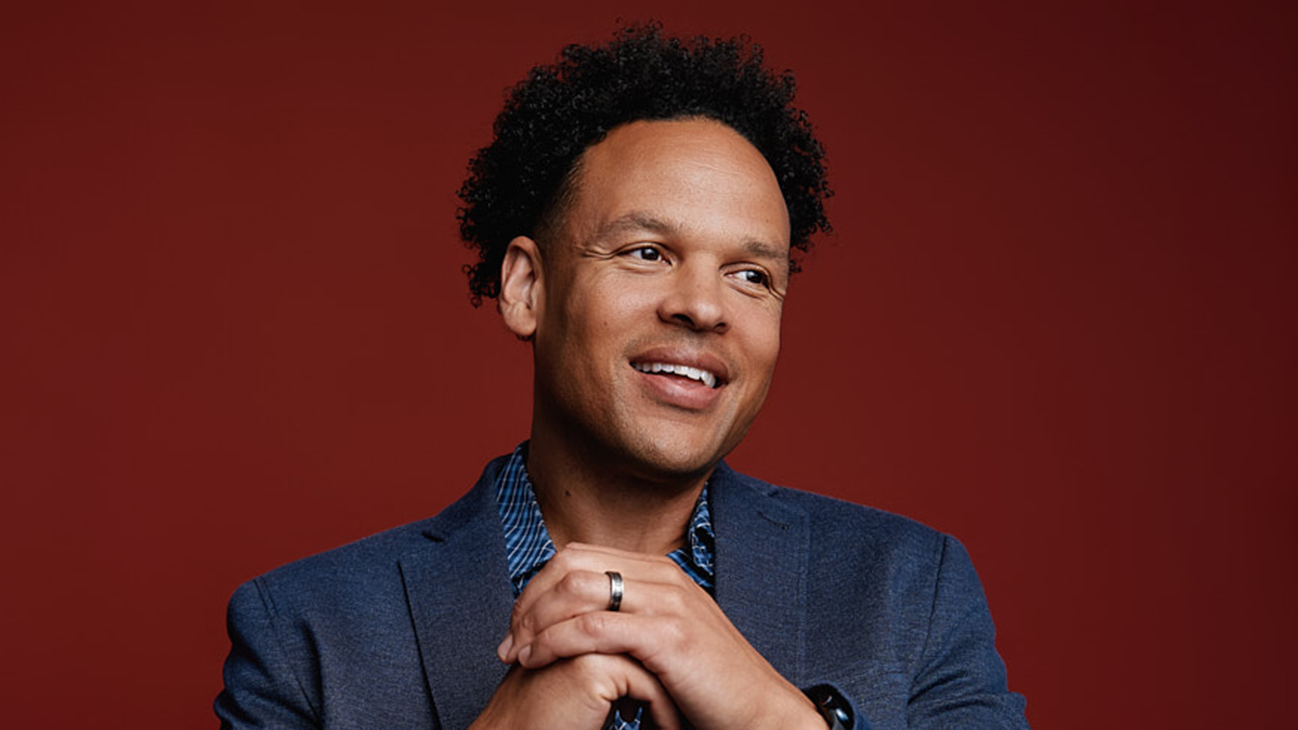
Called a “master storyteller”, Anthony McLean helps leaders and organizations build mentally healthy workplaces, with past clients including such leading brands as PepsiCo, AT&T, Intel, TD Bank, Coca Cola, and more. His lively keynotes empower audiences with practical tools to thrive both personally and professionally. He has a particular knack for turning workplace challenges — especially generational divides — into opportunities for connection, using humour and research-backed strategies to help teams collaborate effectively across all ages and perspectives.
Contact us to learn more about Anthony and what he can bring to your next event.